 Image 1 of 3
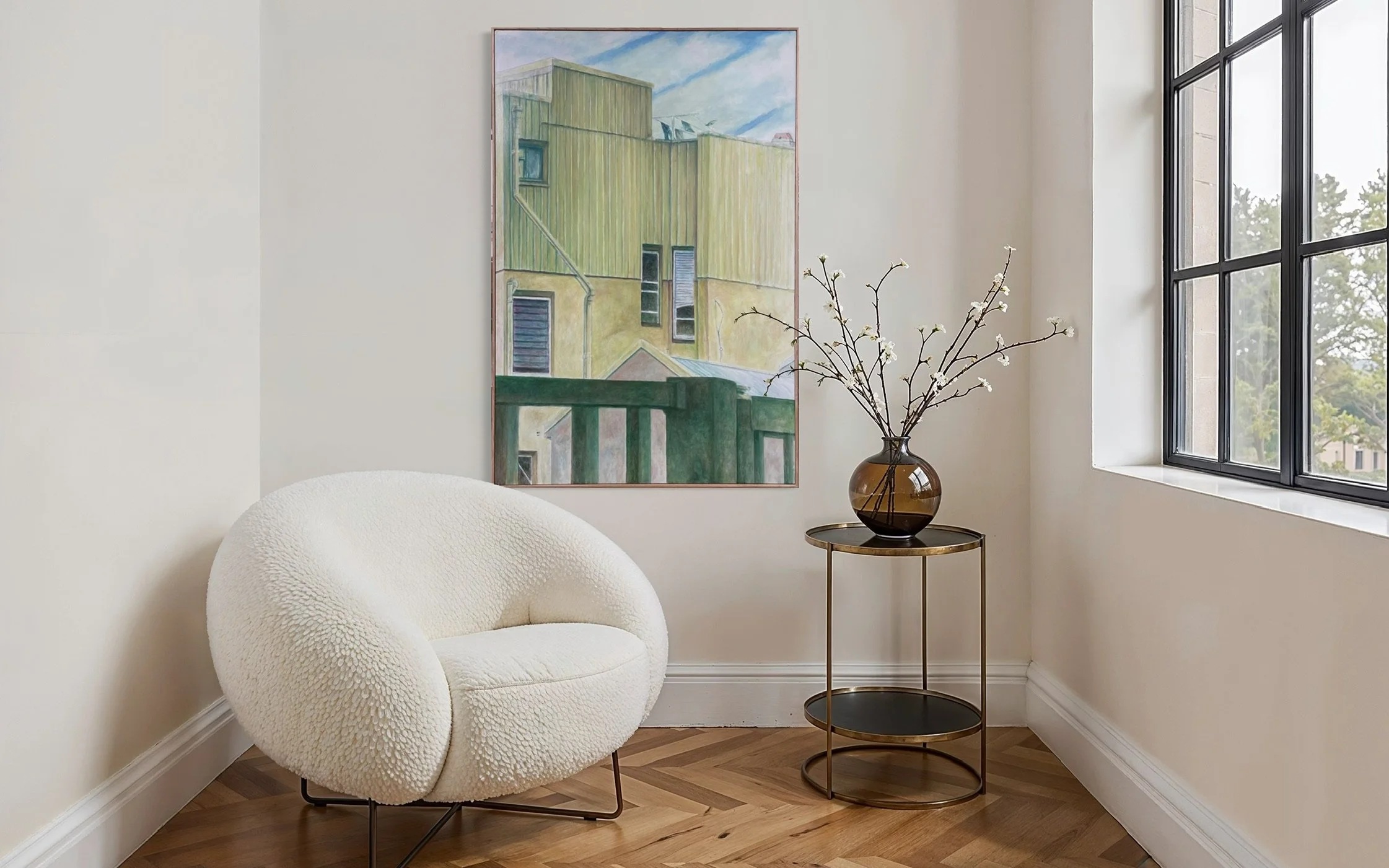 Image 2 of 3
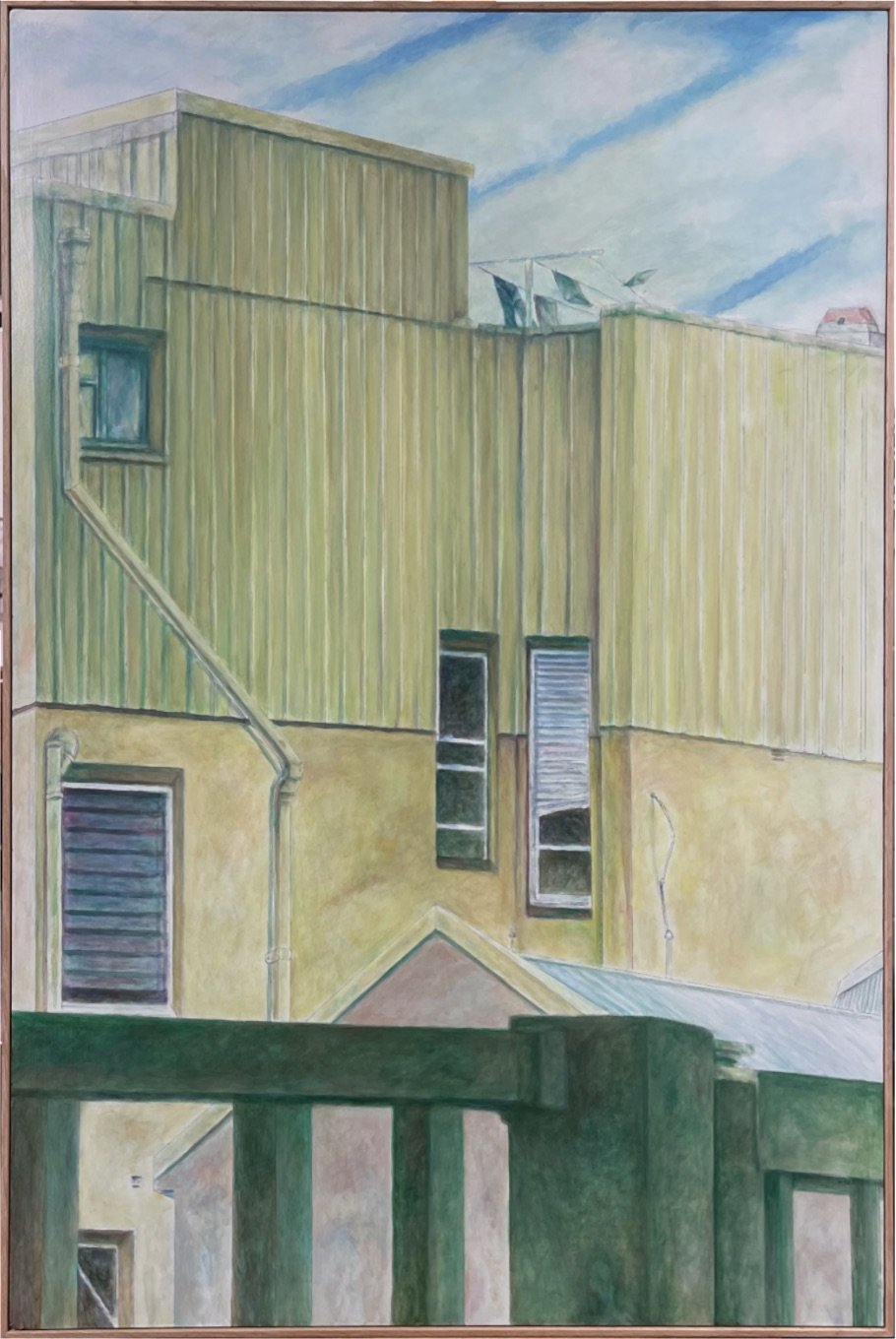 Image 3 of 3
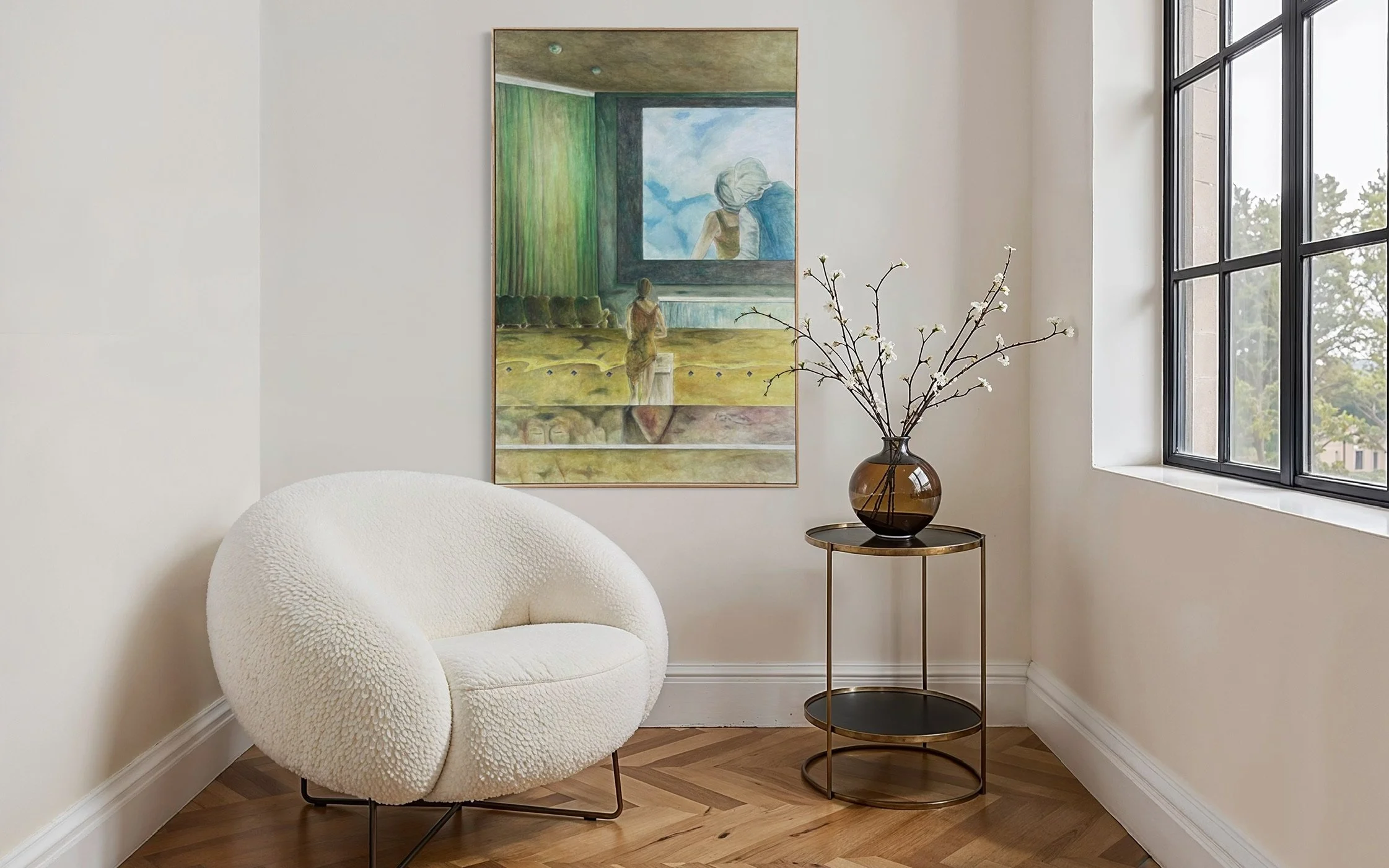
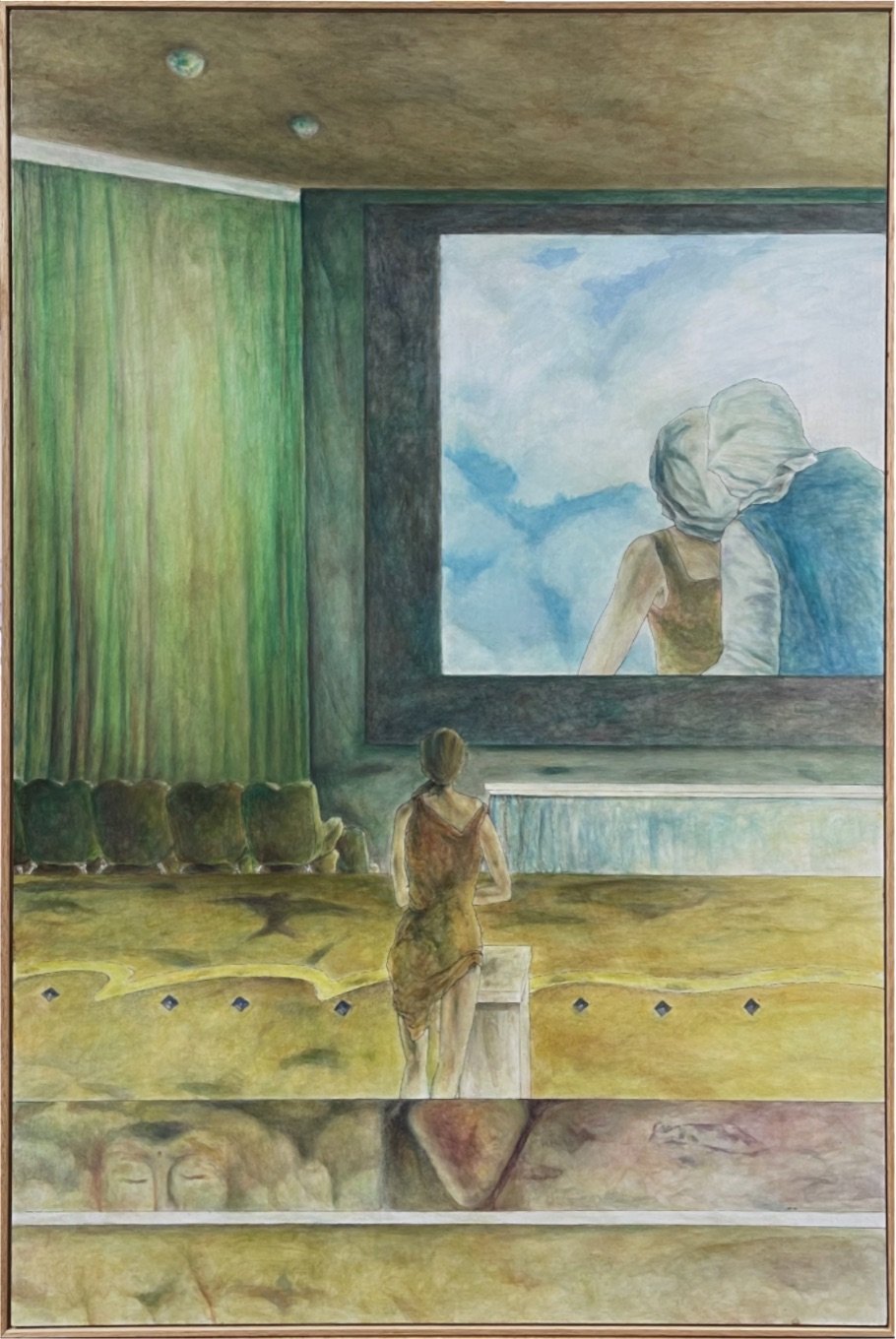
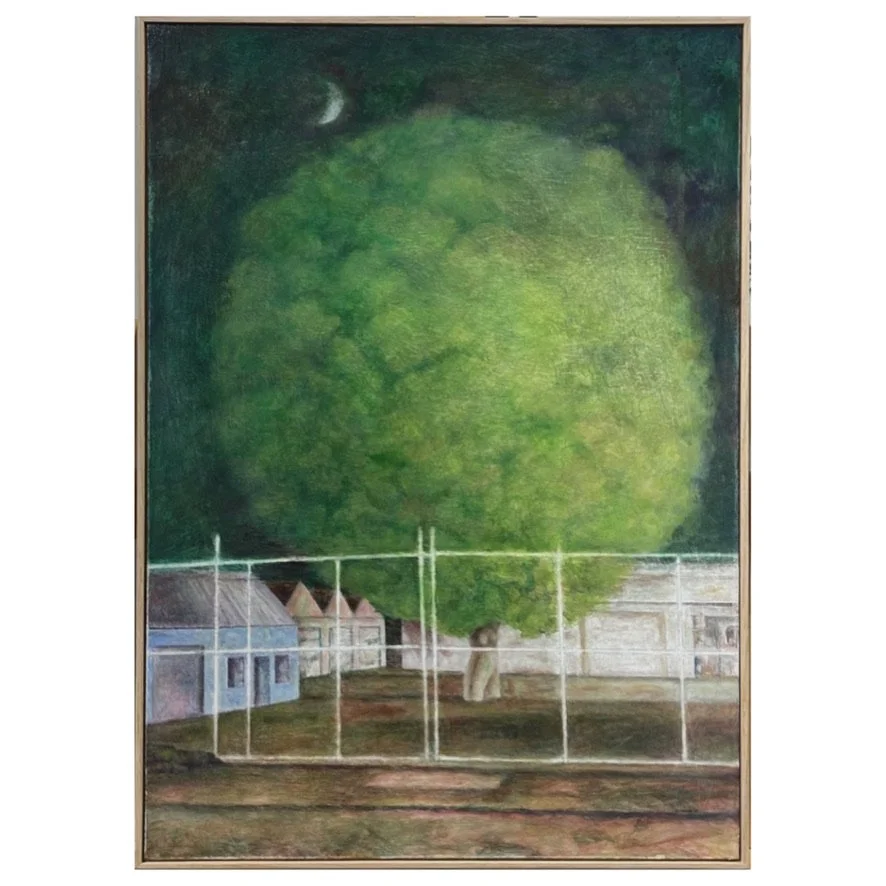
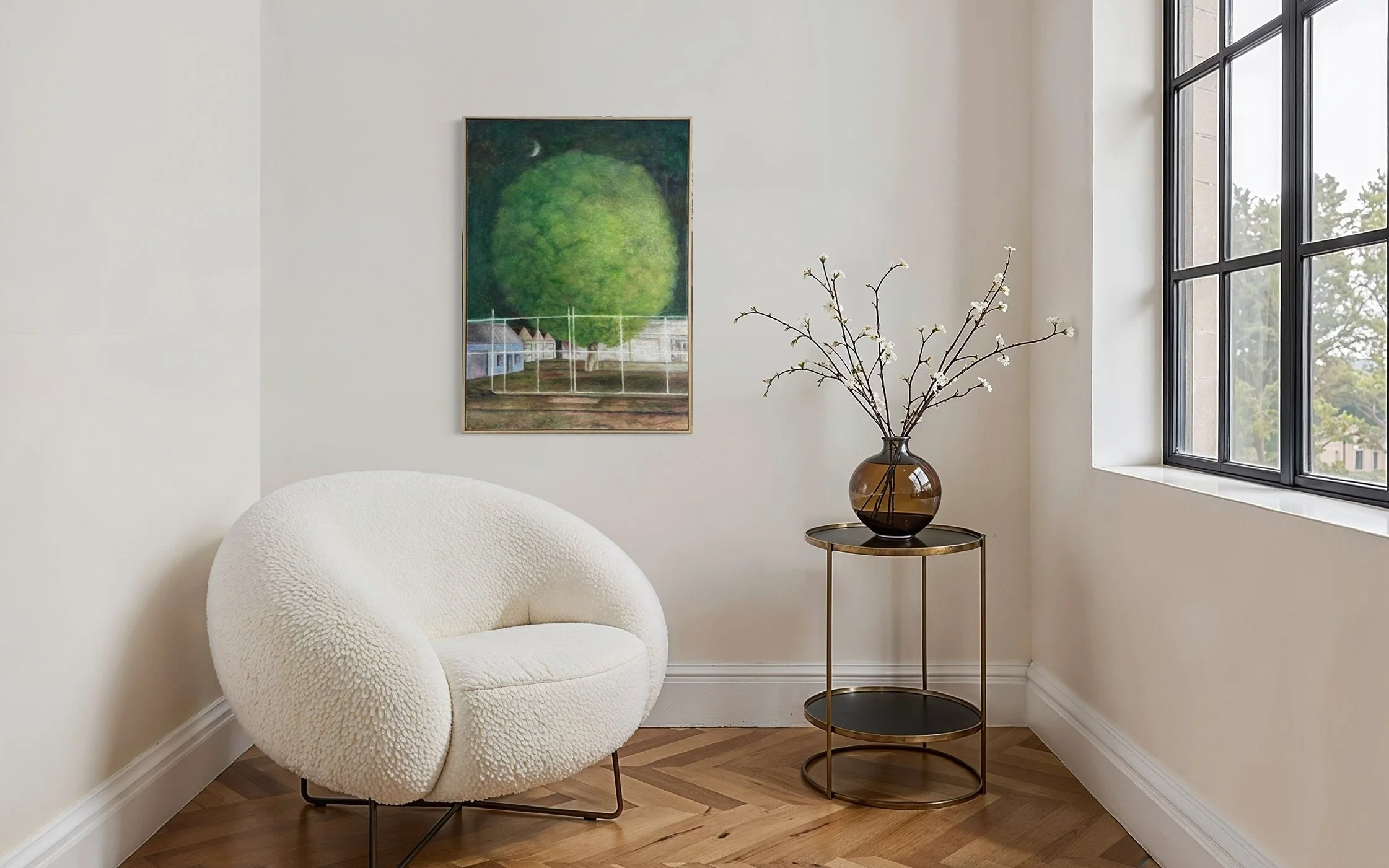
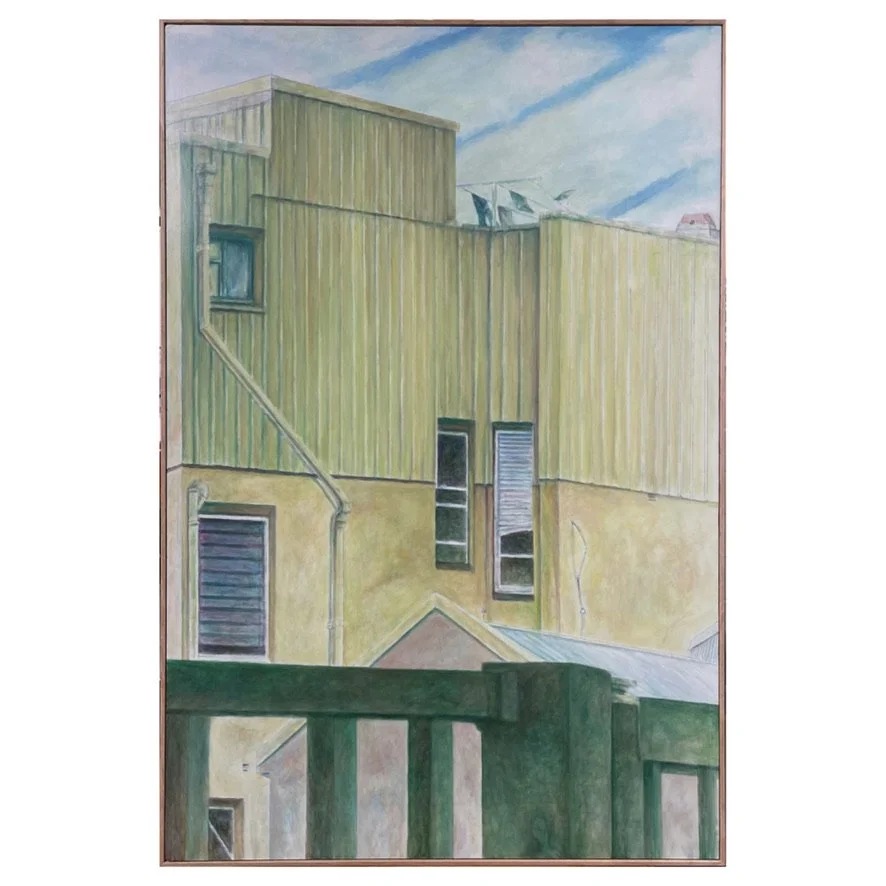
Inner City Newcastle, Watt Street turns a familiar section of the city into a study of rhythm, structure and atmosphere. Doug Voorby does not present the urban environment as a postcard view. Instead, he focuses on the overlooked surfaces of the city: walls, vents, windows, railings and the compressed spaces between buildings. These elements become a carefully arranged vocabulary of lines and planes.
The restrained colour and hand-drawn texture soften the architecture, allowing the buildings to feel less like fixed objects and more like containers of memory. The absence of visible people gives the scene a quiet psychological charge. Viewers are left to imagine who occupies these spaces, what has occurred there, and how the city continues to change around them.
For a Newcastle collector, the work offers a strong connection to place without relying on obvious landmarks. For admirers of contemporary Australian urban painting, it demonstrates how ordinary architecture can carry mood, history and emotional presence. It is both distinctly local and broadly relatable—a thoughtful portrait of the built environment as lived experience.